Get Sinkhole Filling
Sinkhole Filling services help property owners address ground collapse issues, stabilize land, and repair damaged structures through projects handled by experienced local contractors.
If you're dealing with a sinkhole on your property, you're in the right place to explore solutions. Sinkhole filling services are essential for restoring stability and safety to affected areas, helping property owners prevent further damage and maintain the integrity of their land. Whether the issue is minor or more significant, understanding available options and how local contractors can assist is an important step in planning a practical response.
Property owners in the area often consider sinkhole filling to protect their investments and ensure their land remains safe and functional. Comparing the services provided by local contractors can help determine the best approach for your specific situation. Keep reading to learn more about how experienced service providers can support your property’s stability and address sinkhole concerns effectively.
- Sinkhole Repair - needed when ground instability causes the surface to suddenly collapse or weaken.
- Sinkhole Filling - required to stabilize an area after a sinkhole has been identified or begins to form.
- Subsurface Stabilization - necessary when soil beneath a property shifts, risking structural damage or land subsidence.
- Ground Reinforcement - essential for preventing future sinkhole development in vulnerable locations.
- Soil Stabilization - used to improve soil strength and prevent erosion that could lead to sinkhole formation.
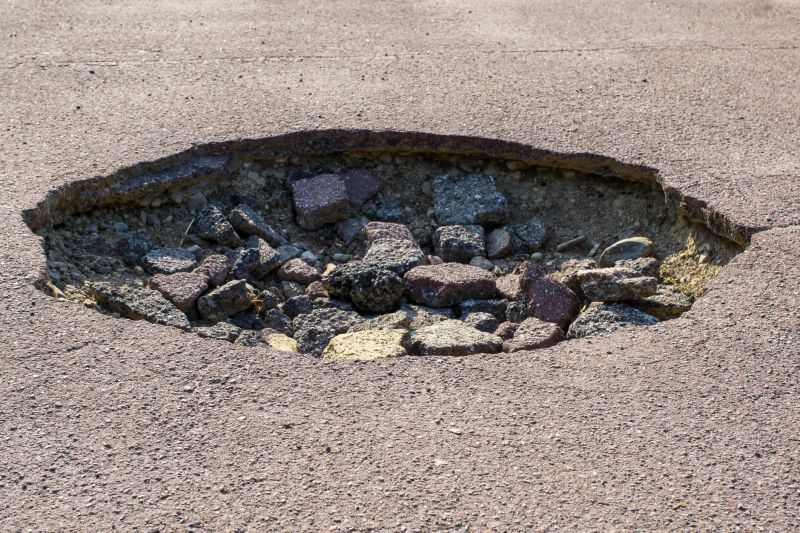
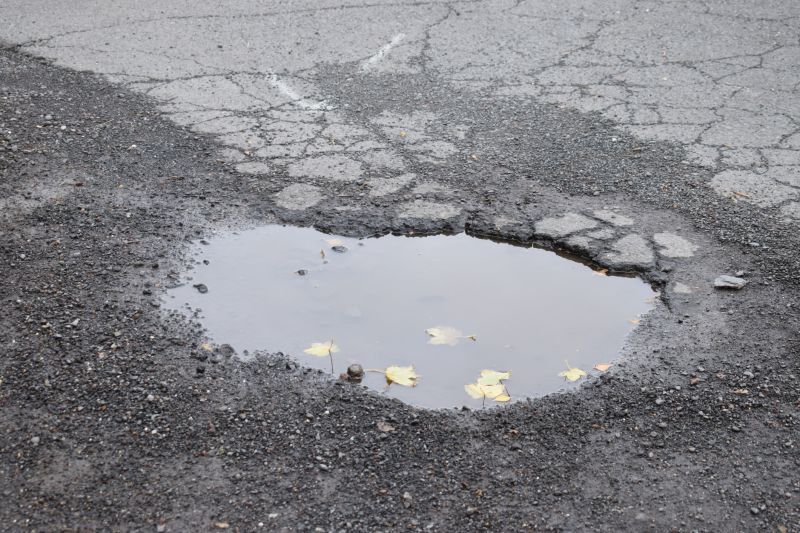
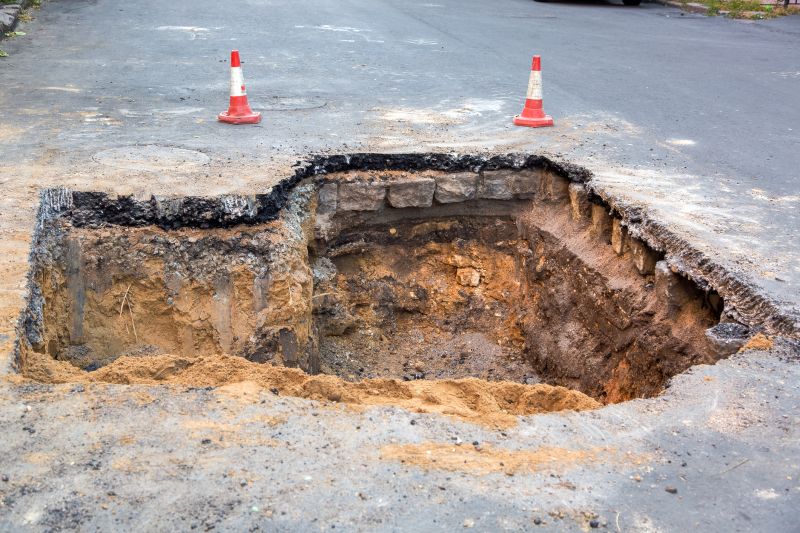
Sinkhole filling services involve the careful assessment and repair of ground depressions caused by the gradual or sudden collapse of underground cavities. When a sinkhole forms, it can create a noticeable hole or depression in the yard, driveway, or other areas of a property. Local contractors use specialized techniques to stabilize the soil, fill the void, and restore the surface to prevent further collapse or damage. This process often includes excavating loose material, filling the cavity with suitable materials such as gravel or soil, and compacting the fill to ensure stability and safety.
These services help address a variety of problems associated with ground subsidence. Sinkholes can threaten the structural integrity of nearby buildings, damage underground utilities, or create hazardous surfaces that pose safety risks. Filling a sinkhole can prevent property damage, reduce the risk of injury, and help maintain the property’s value. It is particularly important in areas prone to soil erosion, heavy rainfall, or where underground cavities are known to exist, as these conditions can increase the likelihood of sinkhole formation.
Properties that typically require sinkhole filling services include residential homes, especially those with yards that show signs of ground shifting or cracking. Commercial properties, such as parking lots, driveways, or landscaped areas, may also need this work to prevent further ground instability. In some cases, properties located in regions with loose or karstic geology are more susceptible to sinkholes, making regular assessments and prompt repairs essential. Homeowners and property managers often seek these services when noticing sudden depressions, cracks in the foundation, or other signs of ground movement.
By connecting with local contractors experienced in sinkhole filling, property owners can find solutions tailored to their specific needs. These professionals assess the site, determine the cause of the sinkhole, and implement appropriate filling and stabilization techniques. Whether addressing a small depression or a more extensive ground collapse, working with skilled service providers can help restore safety and stability to affected properties, making it easier to maintain and protect the value of the property over time.
The overview below groups typical Sinkhole Filling projects into broad ranges so you can see how smaller, mid-sized, and larger jobs often compare in your area.
In many markets, a large share of routine jobs stays in the lower and middle ranges, while only a smaller percentage of projects moves into the highest bands when the work is more complex or site conditions are harder than average.
Smaller Repairs - typical costs range from $250 to $600 for many routine sinkhole filling jobs. Most projects in this category are straightforward and fall within this middle range. Fewer jobs will push into higher or lower cost brackets.
Moderate Fillings - more extensive sinkhole repairs often cost between $600 and $2,500. These projects may involve additional excavation or stabilization work, which can increase the overall cost.
Large-Scale Fillings - substantial sinkhole repairs can range from $2,500 to $5,000 or more. Such projects usually require significant excavation, reinforcement, and specialized materials.
Full Replacement - complete sinkhole remediation or replacement often exceeds $5,000, especially for complex or deep fill projects. These are less common and typically involve extensive work by local contractors.
Actual totals will depend on details like access to the work area, the scope of the project, and the materials selected, so use these as general starting points rather than exact figures.
Foundation Repair - foundation repair projects often involve soil stabilization and subsurface work similar to sinkhole filling to ensure structural stability.
Soil Stabilization - soil stabilization services require expertise in ground assessment and treatment techniques comparable to those used in sinkhole remediation.
Underground Utility Installation - installing underground utilities involves planning and excavation skills that are applicable to safely filling and stabilizing voids underground.
Land Grading and Drainage - land grading projects focus on soil movement and surface leveling, which align with the skills needed for effective sinkhole filling.
Excavation and Site Prep - general excavation work shares tools and planning strategies with sinkhole filling to prepare sites properly and safely.
Ground Stabilization - ground stabilization techniques, including soil reinforcement, are related to the methods used in filling and supporting compromised earth areas.
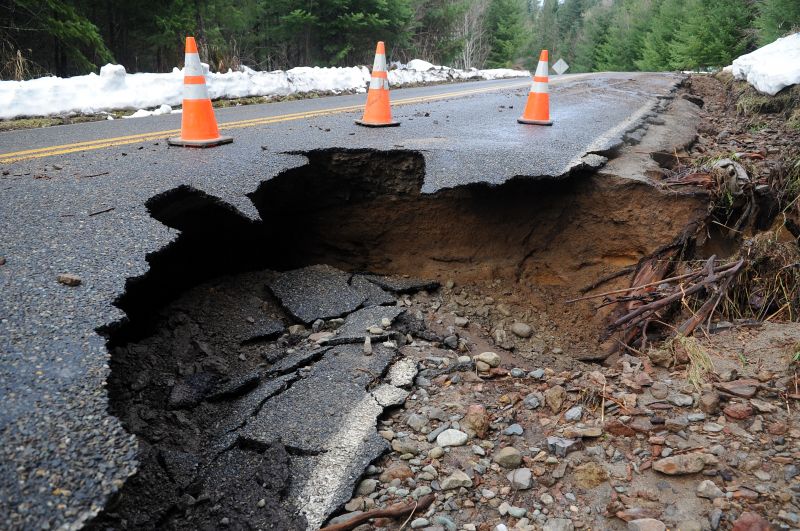
When evaluating service providers for sinkhole filling, it’s important to consider their experience with similar projects. Homeowners should look for local contractors who have a proven track record in handling sinkhole repairs or related subsurface stabilization work. Asking about the number of completed projects of this nature can provide insight into their familiarity with the specific challenges involved. An experienced contractor is more likely to understand the nuances of proper filling techniques, material selection, and site-specific considerations, which can contribute to a more reliable and effective repair.
Clear, written expectations are essential for ensuring that both the homeowner and the service provider are aligned on the scope of work. When comparing local contractors, it’s helpful to review detailed project descriptions, including the steps involved, materials to be used, and any warranties or guarantees offered. A reputable service provider will communicate their process openly and provide documentation that outlines what to expect throughout the project. This clarity helps prevent misunderstandings and ensures that homeowners have a realistic understanding of the work involved.
Reputable references and good communication are key factors when choosing a sinkhole filling specialist. Homeowners should seek out local contractors who can provide references from previous clients with similar projects. Contacting these references can offer valuable insights into the contractor’s professionalism, reliability, and quality of work. Additionally, effective communication-such as prompt responses to questions and transparency about project details-can make the process smoother and more predictable. It’s important to remember that this site introduces homeowners to local options, serving as a resource to compare and connect with qualified service providers, not a provider of the services themselves.
Property owners use Sinkhole Filling services for practical projects around their homes and businesses. This guide focuses on everyday jobs and straightforward project options.
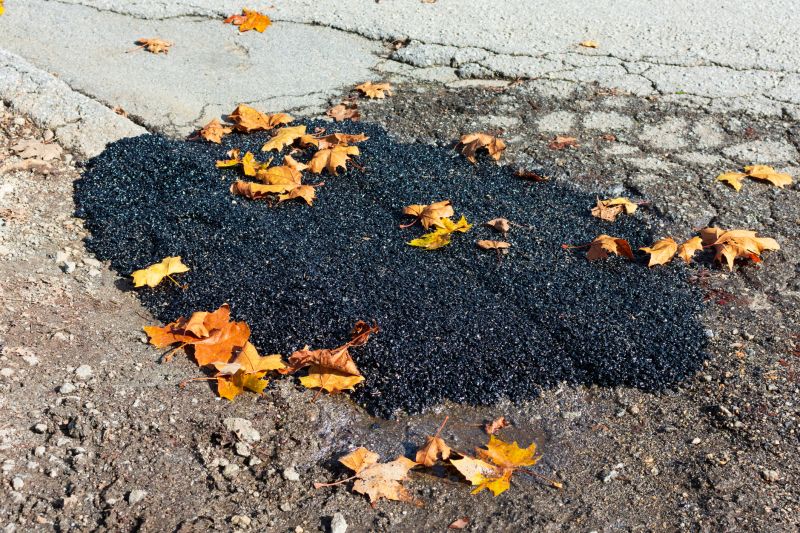
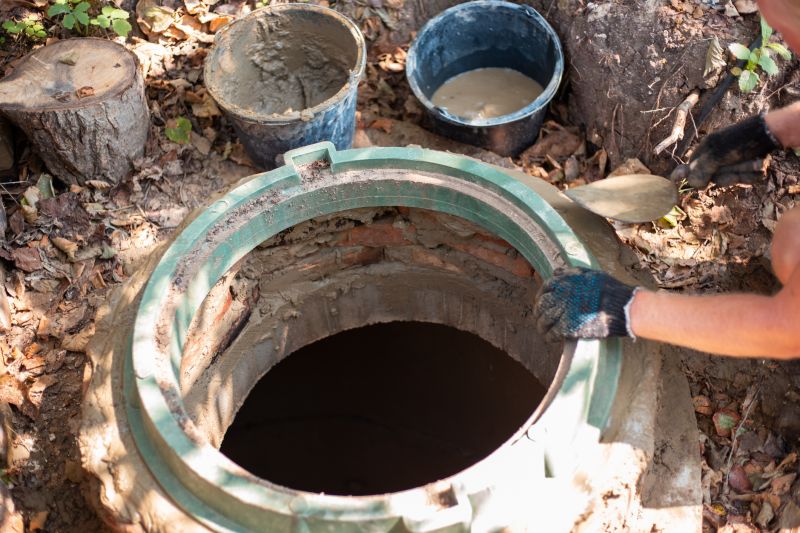
Sinkhole filling services are often needed when ground stability issues arise on residential or commercial properties. Common situations include after heavy rainfall or flooding, when soil erosion causes the ground to weaken or collapse unexpectedly. Property owners may seek assistance from local contractors to stabilize the area and prevent further damage, especially if the sinkhole threatens structures, driveways, or landscaping.
In addition, ongoing soil movement or underground voids can lead to the formation of sinkholes over time. Property owners noticing sudden ground depressions or cracks in their land might look for experienced local service providers to assess and fill the voids safely. These professionals can help restore the land’s integrity, reducing the risk of future issues and protecting the property’s value.
What causes a sinkhole to form? Sinkholes can develop due to natural processes like erosion of underground rock or soil, or from human activities such as construction or groundwater withdrawal that destabilize the ground.
How do professionals fill a sinkhole? Local contractors typically assess the size and cause of the sinkhole, then use methods like soil stabilization, filling with gravel or concrete, and compaction to restore stability.
Is sinkhole filling safe for my property? When performed by experienced service providers, sinkhole filling aims to reinforce the ground and prevent further damage, helping to protect the property structure.
Can a sinkhole be prevented? While some natural causes are beyond control, proper land management and addressing underground soil conditions can reduce the risk of sinkhole formation.
What signs indicate a sinkhole might be developing? Signs include ground cracking, sudden depressions, or shifting landscape features, which should prompt a consultation with local contractors for assessment.
Preventing Property Damage - Filling sinkholes promptly can help protect foundations, driveways, and landscaping from further deterioration.
Maintaining Yard Safety - Addressing sinkholes early can reduce trip hazards and prevent accidents in lawns and walkways.
Preserving Property Value - Proper sinkhole filling can help maintain the integrity and appearance of residential or commercial properties.
Supporting Drainage Management - Filling sinkholes can improve water flow and prevent erosion issues around the property.
If you are thinking about Sinkhole Filling for a property, this guide is meant to help you understand the work, the typical project types, and how different options might fit your plans.
When you are ready, you can use the quote form on this page to share a few details about your project. From there, local pros can review the basics and respond with options that match what you have in mind.