Field Clearing in Salt Lake City, UT
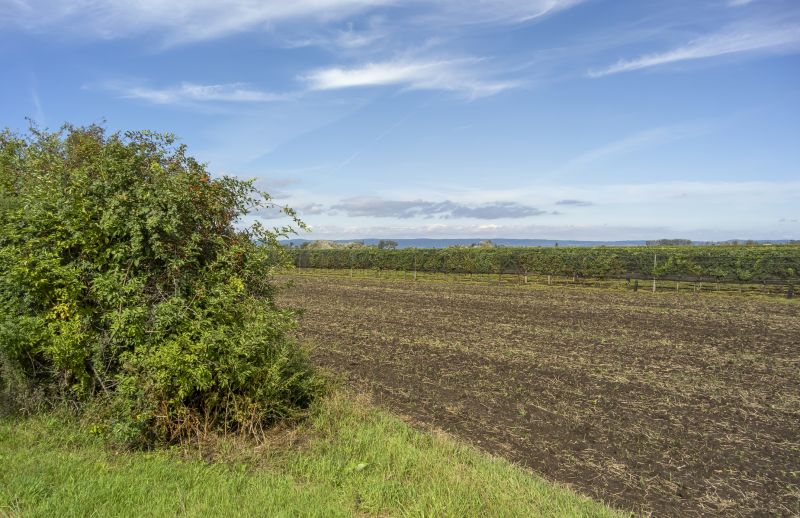
Field clearing services involve removing trees, brush, and other vegetation to prepare a property for development, landscaping, or maintenance. This service is often used for projects such as building new structures, creating open spaces, installing fencing, or improving access around a property. Homeowners typically want to understand the scope of clearing needed, including whether it involves selective removal or complete site clearance, as well as any potential impacts on existing trees or natural features.
Before requesting field clearing, property owners should consider the extent of vegetation to be removed, the presence of any protected or mature trees, and the desired end use of the land. Clarifying these details helps ensure the clearing process aligns with project goals and local regulations. Knowing the condition of the terrain and access points can also assist in planning the most efficient and effective clearing approach.
Many property owners in Salt Lake City, UT look into Field Clearing for repairs, replacements, upgrades, and appearance-related improvements.
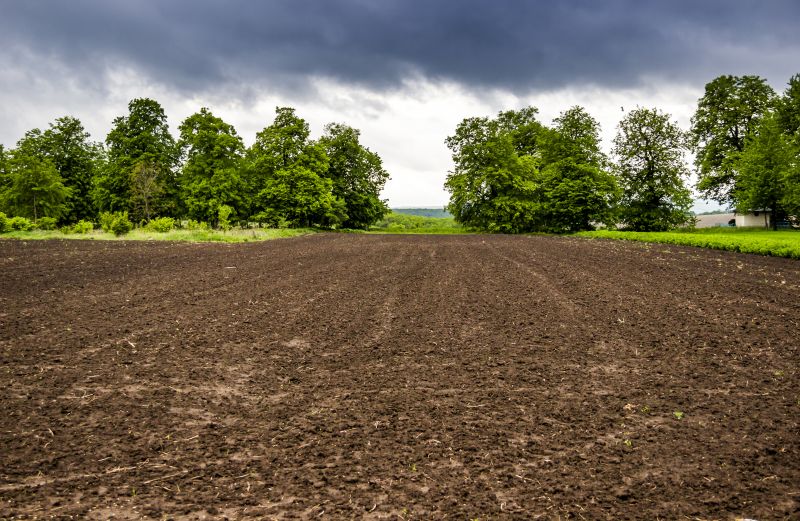
Site Preparation
Clearing overgrown land to prepare for construction, landscaping, or development projects.
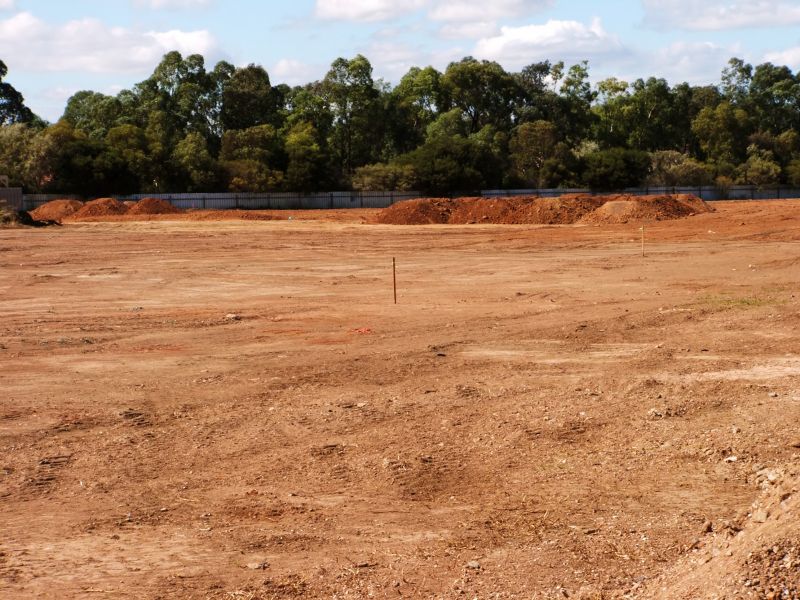
Vegetation Removal
Removing trees, shrubs, and brush to improve safety and accessibility on residential or commercial properties.
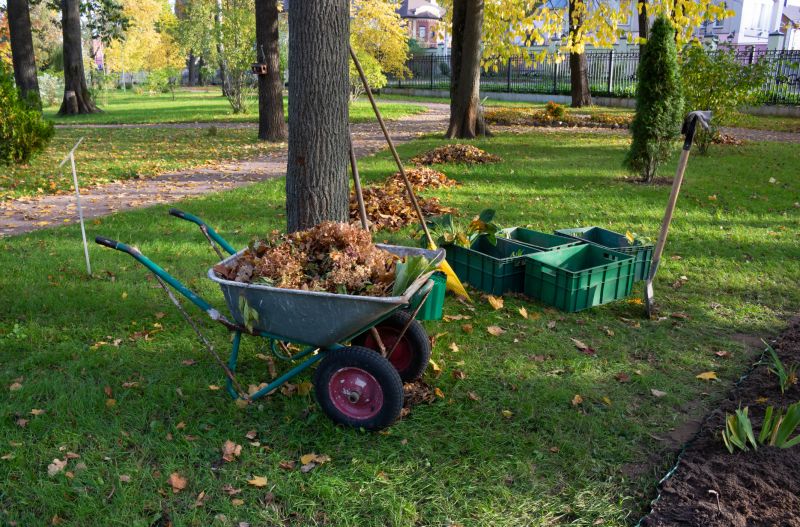
Land Clearing For Development
Transforming wooded or unruly areas into open space suitable for building or recreational use in salt lake city, ut.
Field Clearing in Salt Lake City, UT
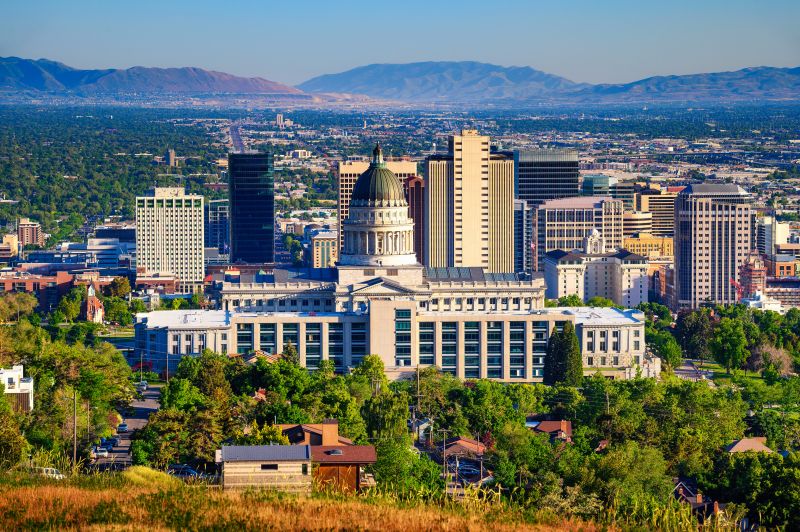
Field clearing services involve removing trees, brush, and other vegetation to prepare a property for development, landscaping, or maintenance. This service is often used for projects such as building new structures, creating open spaces, installing fencing, or improving access around a property. Homeowners typically want to understand the scope of clearing needed, including whether it involves selective removal or complete site clearance, as well as any potential impacts on existing trees or natural features.
Before requesting field clearing, property owners should consider the extent of vegetation to be removed, the presence of any protected or mature trees, and the desired end use of the land. Clarifying these details helps ensure the clearing process aligns with project goals and local regulations. Knowing the condition of the terrain and access points can also assist in planning the most efficient and effective clearing approach.
Many property owners in Salt Lake City, UT look into Field Clearing for repairs, replacements, upgrades, and appearance-related improvements.
Common Field Clearing Jobs
Brush and debris removal - clearing overgrown vegetation to improve property appearance and safety.
Field and lot clearing - removing unwanted plants, shrubs, and trees to prepare land for development or landscaping.
Stump removal - extracting tree stumps to prevent regrowth and create a clean, level surface.
Vegetation management - controlling invasive plants and maintaining a tidy, accessible property.
Firebreak clearing - creating defensible space around homes by removing combustible materials.
Drainage area clearing - maintaining proper water flow by clearing obstructed ditches and drainage paths.
Field Clearing Questions
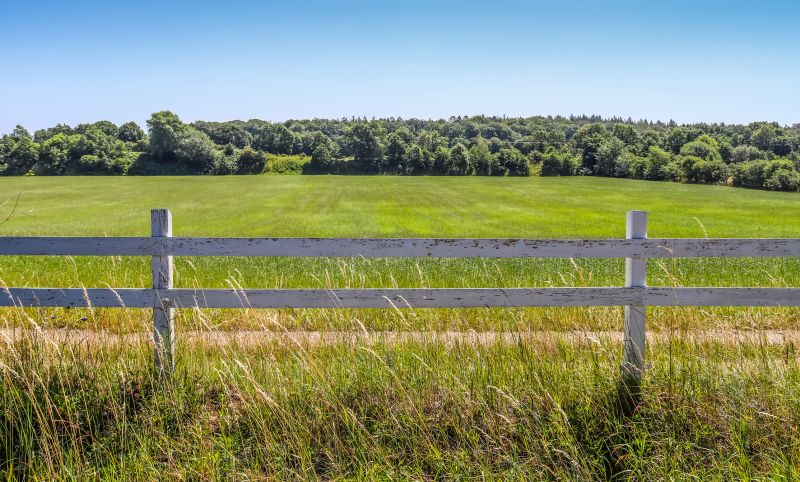
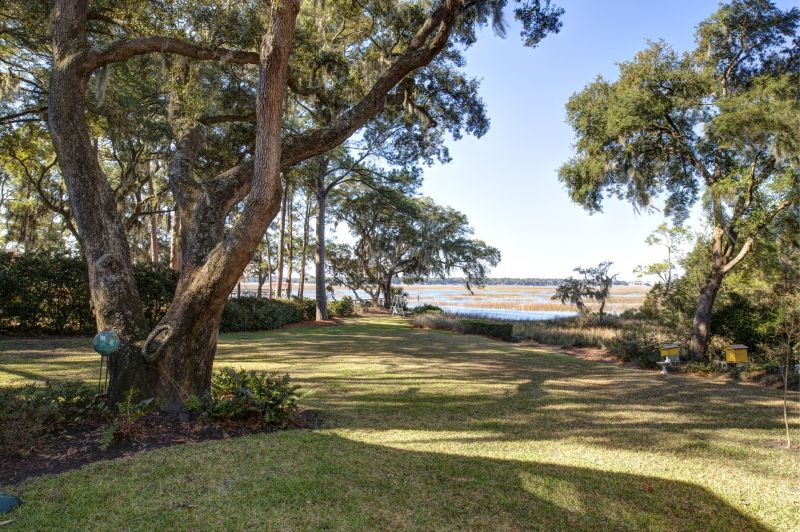
What is field clearing? Field clearing involves removing trees, brush, and debris to prepare land for development, agriculture, or landscaping projects.
What types of properties benefit from field clearing? Residential properties, farms, commercial sites, and construction areas often require field clearing to make land suitable for use.
What should property owners consider before clearing a field? It’s important to assess the land’s condition, identify any protected trees or plants, and plan for proper disposal of debris.
Is field clearing suitable for large or small projects? Field clearing can be adapted for both small residential lots and larger land development projects, depending on the scope needed.
Request Field Clearing in Salt Lake City, UT
Use the quote form on this page to share the basics of your project and request more information for the type of work you need.