Underbrush Clearing in Houston, TX
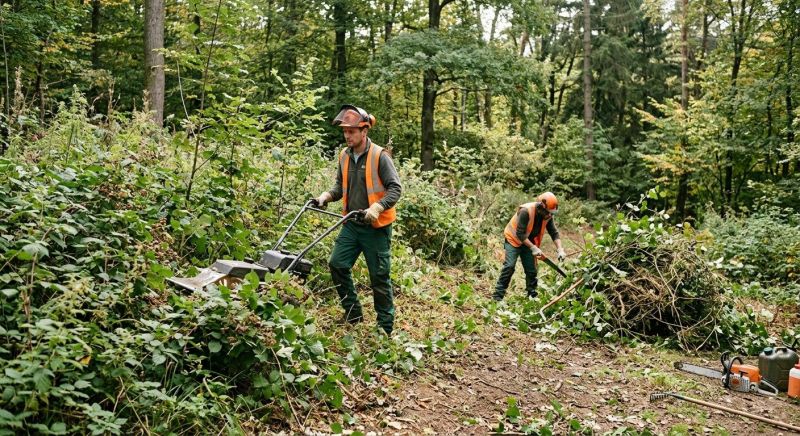
Underbrush clearing services involve removing dense, overgrown vegetation, shrubs, and small trees that can quickly take over a property. This work is commonly requested for projects such as preparing a yard for landscaping, creating firebreaks, maintaining safety around structures, or restoring a natural area. Property owners typically want to understand the scope of clearing needed, the types of vegetation that will be removed, and how the process may impact existing plants or structures on the property.
Before requesting underbrush clearing, homeowners should consider the extent of overgrowth, the accessibility of the area, and any specific goals for the space-whether it’s for aesthetic improvement, safety, or ongoing maintenance. Clarifying these details can help determine the appropriate approach and ensure the project aligns with the property’s needs. Proper planning also involves understanding any local regulations or restrictions related to vegetation removal, especially in areas near natural preserves or protected land.
Many property owners in Houston, TX look into Underbrush Clearing for repairs, replacements, upgrades, and appearance-related improvements.
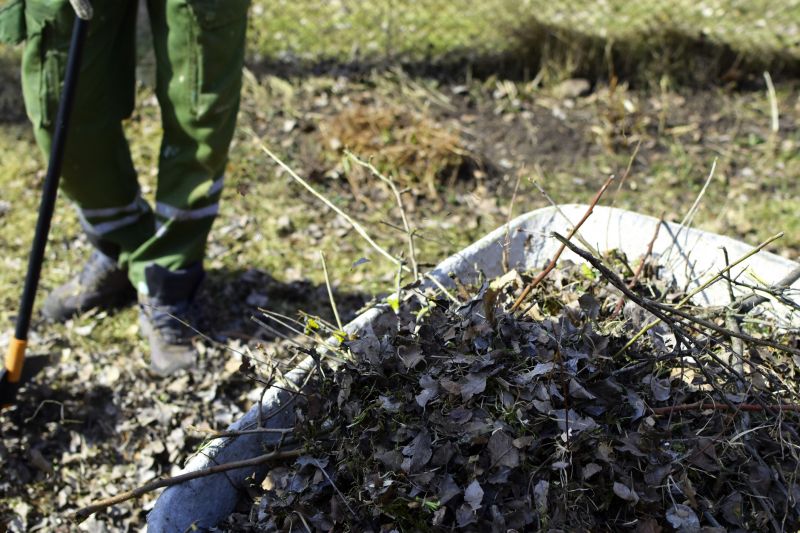
Clearing Overgrown Areas
Removing dense underbrush to improve yard accessibility and safety.
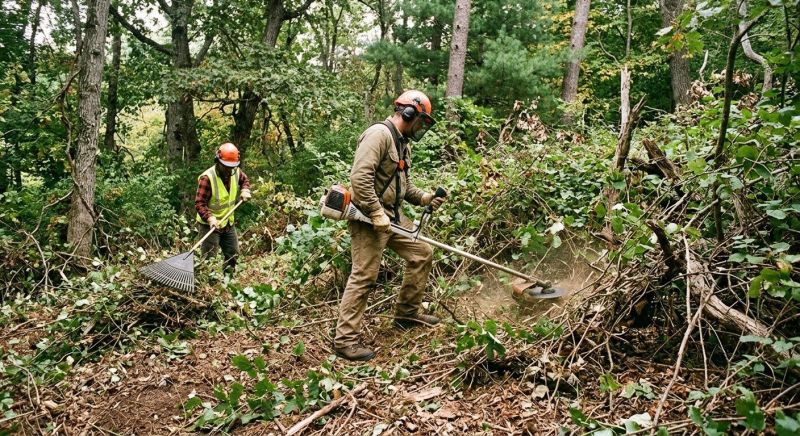
Creating Firebreaks
Establishing cleared zones to help protect properties from wildfire risks.
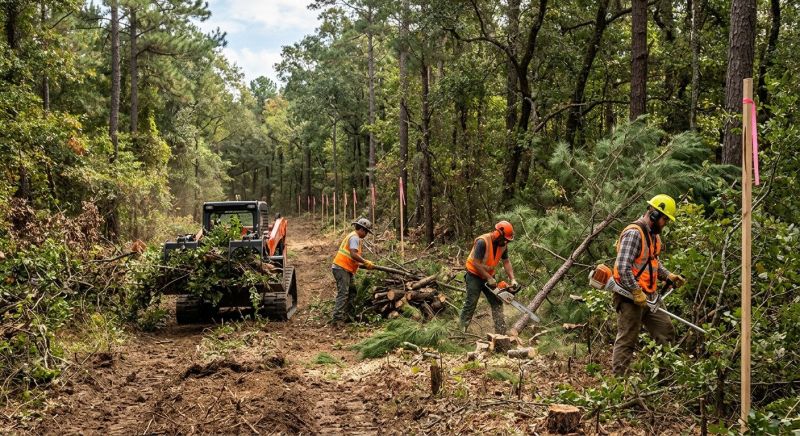
Preparing Land For Landscaping
Clearing unwanted brush to create a clean foundation for new landscaping projects.
Underbrush Clearing in Houston, TX

Underbrush clearing services involve removing dense, overgrown vegetation, shrubs, and small trees that can quickly take over a property. This work is commonly requested for projects such as preparing a yard for landscaping, creating firebreaks, maintaining safety around structures, or restoring a natural area. Property owners typically want to understand the scope of clearing needed, the types of vegetation that will be removed, and how the process may impact existing plants or structures on the property.
Before requesting underbrush clearing, homeowners should consider the extent of overgrowth, the accessibility of the area, and any specific goals for the space-whether it’s for aesthetic improvement, safety, or ongoing maintenance. Clarifying these details can help determine the appropriate approach and ensure the project aligns with the property’s needs. Proper planning also involves understanding any local regulations or restrictions related to vegetation removal, especially in areas near natural preserves or protected land.
Many property owners in Houston, TX look into Underbrush Clearing for repairs, replacements, upgrades, and appearance-related improvements.
Common Underbrush Clearing Jobs
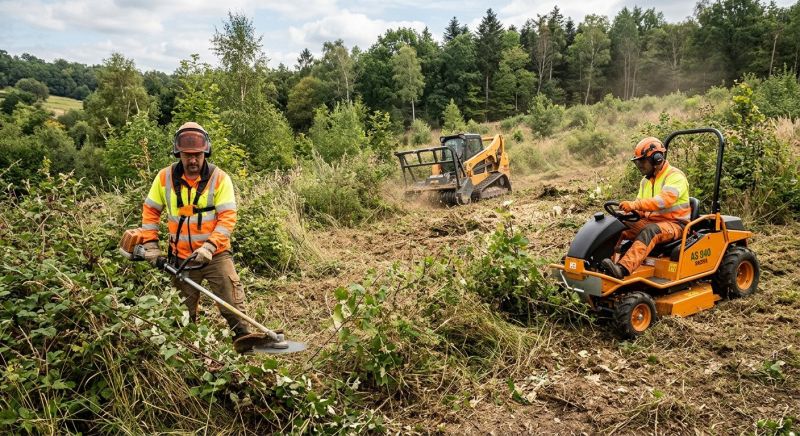
Brush Removal - clearing overgrown underbrush to improve yard safety and appearance.
Thicket Clearing - removing dense, tangled vegetation to create open space for landscaping or recreation.
Overgrowth Management - trimming back excessive underbrush to prevent pest habitats and fire hazards.
Fence Line Clearing - maintaining clear boundaries by removing encroaching brush along property fences.
Pathway Clearing - creating safe, accessible walkways by removing brush and debris from garden paths.
Firebreak Maintenance - reducing fire risk by clearing combustible underbrush from property perimeters.
Underbrush Clearing Questions
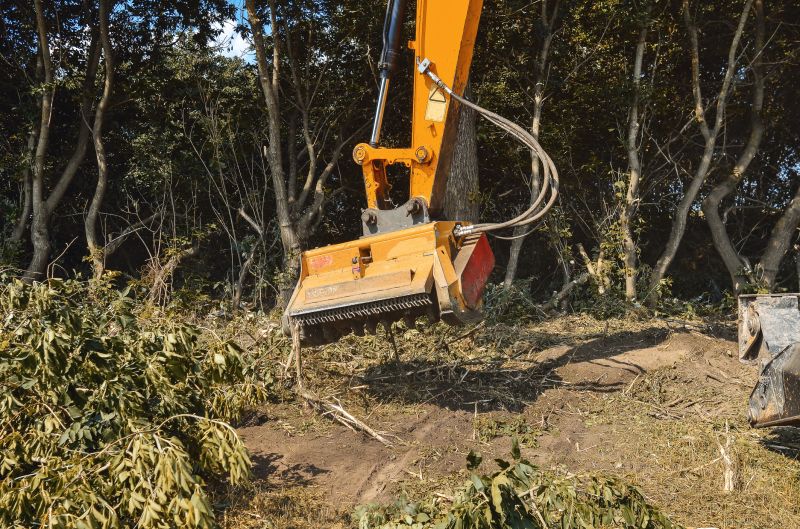
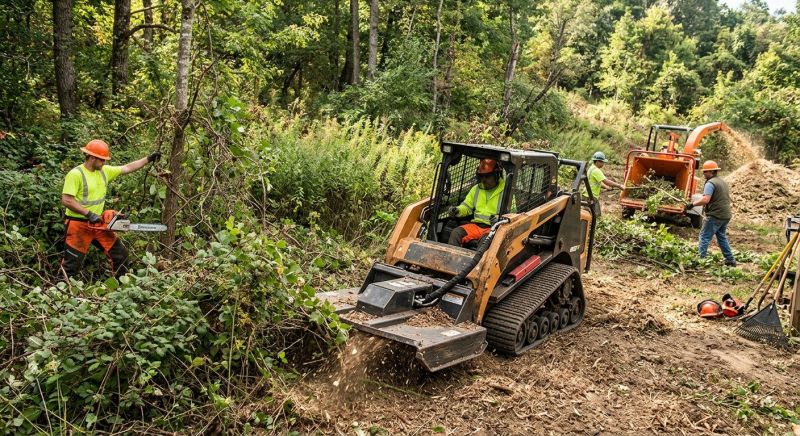
What is underbrush clearing? Underbrush clearing involves removing small trees, shrubs, and thick vegetation to improve yard visibility and safety.
Why is underbrush clearing important? Clearing underbrush reduces fire risk, prevents pest habitats, and helps maintain a tidy landscape.
What types of properties benefit from underbrush clearing? Residential yards, commercial properties, and vacant land all benefit from regular underbrush removal.
When should underbrush clearing be performed? It is typically done when vegetation becomes overgrown or before planting new landscaping projects.
Request Underbrush Clearing in Houston, TX
Use the quote form on this page to share the basics of your project and request more information for the type of work you need.